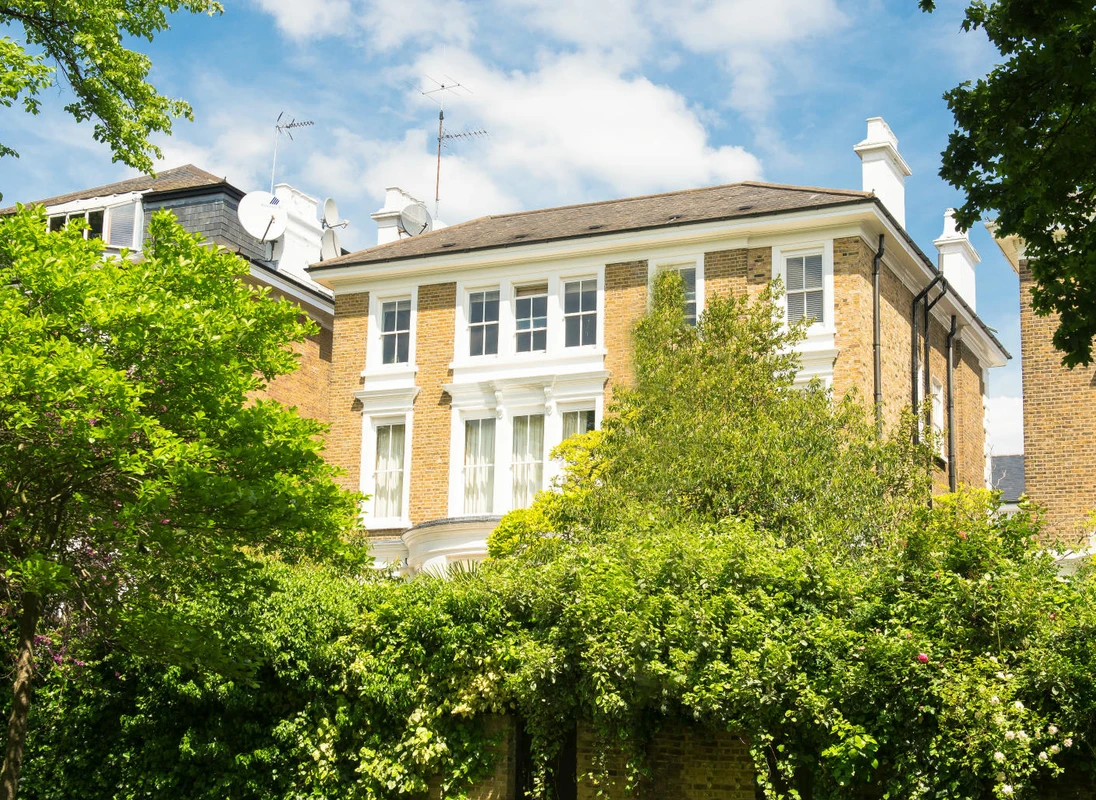
Harrow Council is set to purchase homes across the borough to convert into social housing, as it faces surging costs for emergency accommodation and a growing homelessness crisis.
The local authority called an urgent meeting on October 21, with Council Leader Paul Osborn approving the move after a last-minute opportunity to buy the properties emerged.
Officials say the plan aims to reduce reliance on costly nightly rented housing, which is used to accommodate families at risk of homelessness.
Emergency Housing Costs Skyrocket
Council documents show that Harrow has experienced some of the sharpest rent increases in England in recent years.
In 2023, the average nightly cost for a two-bedroom emergency property stood at £351.55.
However, this figure has jumped by 74 percent in just two years, reaching £613.17 in 2025.
The council projects that this figure could exceed £1,000 a night by 2028 if trends continue.
The steep rise is driven partly by increases in private rental prices, reduced housing availability, and growing demand for temporary accommodation.
Mounting Pressure on Resources
Rising costs have strained both council budgets and staff resources.
The authority warned that more families are being forced to stay longer in expensive nightly-paid accommodation while waiting for longer-term housing.
Unlike standard temporary accommodation, which is paid monthly, emergency nightly accommodation is charged per night — making it significantly more expensive.
In April 2023, Harrow required around 220 temporary accommodation homes across various sizes.
By September 2025, that number had soared to around 686 properties.
The most pressing demand is now for two-, three- and four-bedroom homes, with smaller one-bedroom units accounting for less than a quarter of total need.
Long-Term Financial Strain
The council forecasts that, by 2028, total demand could rise to between 750 and 1,050 homes.
This would push overall expenditure from £12.5 million in 2023 to £29.1 million in a best-case scenario — or as high as £38.5 million in a worst-case scenario.
In the financial year ending March 2024, Harrow Council spent £16.4 million on temporary accommodation alone.
Officials fear these costs will continue to spiral if immediate action isn’t taken.
Buying Homes as a Sustainable Alternative
By acquiring homes to use as social housing, Harrow Council hopes to provide longer-term security and reduce dependency on short-term, high-cost rentals.
According to the authority, ownership of such homes would help “provide secure, long-term homes, ending the uncertainty which many households face.”
The plan is expected to be presented to Cabinet later for final approval, including the financial details and the number of homes to be acquired.
Council leaders argue that buying homes will ultimately save money, reduce homelessness pressures, and give vulnerable families greater stability.
Across London, other councils are exploring similar measures as local authorities struggle with record levels of temporary housing costs and limited supply.
If successful, the Harrow scheme could provide a model for how boroughs across the capital tackle a growing social and economic challenge.