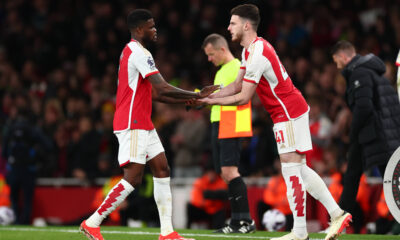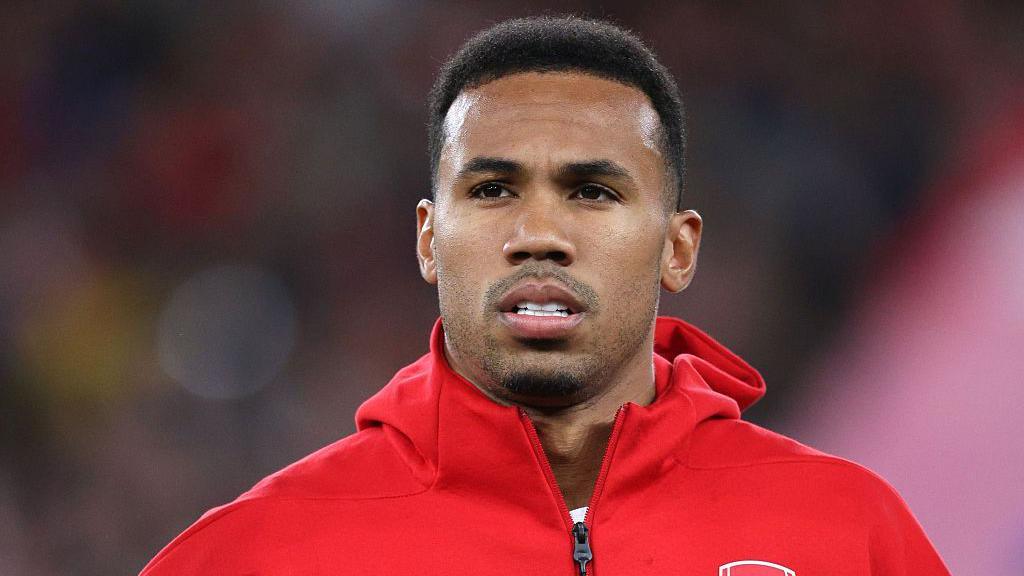
Arsenal are heading into the international break with five first-team players sidelined from international duty, and Gabriel Magalhaes is the latest name on that list.
The Brazilian centre-back, who played through the Carabao Cup final defeat to Manchester City before limping through the aftermath, has been ruled out of Brazil’s forthcoming friendlies against France and Croatia with pain in his right knee.
He joins William Saliba, Jurriën Timber, Leandro Trossard and Eberechi Eze in withdrawing, a collection of withdrawals that has naturally prompted concern about an injury crisis arriving at the worst possible moment of the title race.
Context is important, though. The March international window consists entirely of friendlies — preparation matches for the summer’s World Cup rather than competitive qualifiers. These fixtures carry no real sporting consequence, and the incentive for clubs to protect fatigued players in such circumstances is widely understood across the football ecosystem.
France confirmed Saliba’s issue is an ankle problem requiring just ten days of rest. Brazil’s statement on Gabriel described his condition simply as “pain” in the knee — language that suggests a precautionary withdrawal rather than structural damage. The expectation within Arsenal is that both defenders will be ready for the club’s resumption of action next month, which includes an FA Cup quarter-final against Southampton and a Champions League away leg at Sporting CP.
Both players are also acutely aware of the World Cup looming in June. Missing friendlies now to ensure they arrive at that tournament in peak condition is rational and arguably selfless from a national team perspective as well. Norway’s manager Ståle Solbakken made a similar call regarding Martin Ødegaard, declining to call him up even as he approaches full fitness — a gesture of good faith towards Arsenal.
Arsenal’s title challenge remains alive, and with Mikel Arteta’s squad depth significantly improved from previous seasons, the Gunners are better equipped to absorb short-term absences. Whether this level of caution proves wise or excessive will only be fully understood once the squad reconvenes for training. For now, the medical departments at Arsenal and their international counterparts appear aligned on a pathway back.