
Image by Iftikhar Alam on Magnific
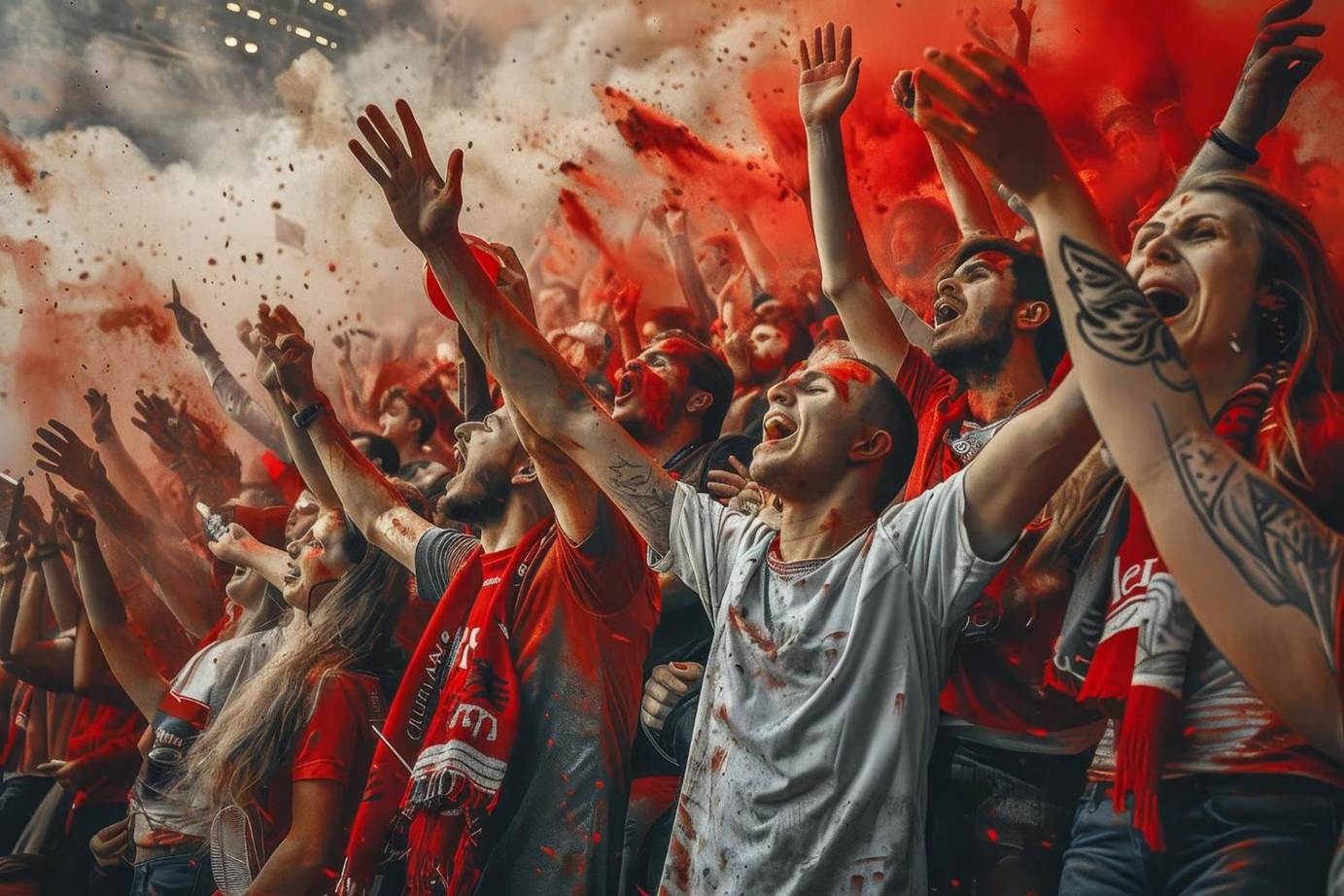
Arsenal supporters have always loved a proper football debate. Whether the topic is a transfer rumour, a tactical change, a young player breaking through, or another emotional afternoon at the Emirates, Gooners rarely watch the game passively. They analyse it, argue about it, replay it, and try to understand what it means for the bigger picture.
That is why modern football data has become so important. The game is still emotional, unpredictable, and wonderfully frustrating, but supporters now have more tools to understand what they are watching. Arsenal’s recent rise under Mikel Arteta has made that even more interesting, because the team’s progress has not been built only on talent. It has also been shaped by structure, discipline, recruitment, set-piece improvement, squad depth, and smarter decision-making.
Arsenal’s Progress Is About More Than the Scoreline
A final score can tell you who won, but it rarely explains how the game was controlled. Arsenal supporters know this well. There are matches where the Gunners dominate possession, territory, and chances, yet still need patience before the breakthrough comes. There are also games where a narrow result hides just how well the team managed pressure.
This is where data adds value. Expected goals, field tilt, pressing numbers, shot quality, defensive actions, and possession sequences all help explain performance beyond emotion. A 1-0 win can sometimes be more convincing than a chaotic 3-2 victory. A draw can sometimes show tactical progress, even if the result feels disappointing in the moment.
For fans, this makes post-match analysis richer. Instead of simply asking whether Arsenal won, the better question becomes whether the performance was sustainable.
Arteta’s Arsenal Is Built on Control
One of the biggest changes in Arsenal’s identity has been the emphasis on control. The team does not want matches to become end-to-end unless the situation demands it. Instead, Arsenal often try to compress the pitch, dominate territory, force opponents into low-percentage clearances, and create repeated pressure around the penalty area.
That approach can sometimes feel slower than old-school counter-attacking football, but it is designed to reduce chaos. Supporters may get frustrated when Arsenal recycle possession rather than forcing a pass, but those decisions often help keep the team balanced. Losing the ball cheaply in central areas can expose any side, especially against Premier League opponents with pace in transition.
Control is not about being cautious. It is about choosing when to take risks.
Set Pieces Have Become a Serious Weapon
There was a time when Arsenal supporters dreaded defensive corners and hoped for very little from attacking ones. That has changed significantly. Set pieces are now one of the areas where elite clubs look for marginal gains, and Arsenal have become far more dangerous from dead-ball situations.
Corners, free-kicks, blocking movements, near-post runs, second balls, and delivery zones are all planned in detail. These moments may look simple on television, but they often involve rehearsed movement and careful analysis of opponents’ weaknesses.
For Arsenal, set-piece strength matters because tight matches are often decided by small details. When opponents sit deep and open-play chances are difficult to create, one well-executed corner can change everything.
Recruitment Shows the Value of Specific Roles
Arsenal’s recent recruitment has shown how modern clubs think beyond obvious talent. The question is not only whether a player is good, but whether he fits the exact role the team needs.
Declan Rice gave Arsenal power, recovery speed, leadership, and midfield security. Martin Ødegaard provides creativity and pressing intelligence from advanced areas. William Saliba offers calmness, recovery pace, and technical quality in defence. Bukayo Saka combines output with reliability, carrying a heavy creative burden while still working hard without the ball.
These players are not just names on a team sheet. They are parts of a tactical structure. That is why recruitment analysis now matters so much to supporters. A signing must be judged not only by reputation, but by how he improves the system.
Fans Are Smarter About Risk Than Ever
Football is full of risk. Pushing full-backs high creates attacking width but leaves space behind. Pressing aggressively can force mistakes but also opens gaps if the press is broken. Playing out from the back invites pressure but can create better attacking situations if executed well.
Arsenal supporters have become more familiar with these trade-offs. When David Raya or another goalkeeper holds the ball under pressure, it can make fans nervous, but the intention is often to draw opponents forward and create space elsewhere. When centre-backs split wide, the goal is not to show off technically. It is to manipulate the opposition shape.
Understanding risk makes watching Arsenal more interesting because fans begin to see why certain patterns repeat.
Digital Entertainment Has Changed Fan Habits Too
The modern supporter experience extends far beyond matchday. Fans listen to podcasts, follow tactical accounts, watch breakdowns, compare player statistics, join fantasy leagues, and debate transfer rumours online. Football now lives across phones, tablets, laptops, and social platforms throughout the week.
That wider digital culture also explains why many adults move easily between different kinds of online entertainment. Someone might spend one evening reading Arsenal analysis, another managing a fantasy team, and another exploring browser-based casino games on platforms such as MrQ, where adult users can access digital gaming within a regulated online environment. The connection is not that these activities are the same, but that modern entertainment increasingly depends on convenience, mobile access, clear interfaces, and the ability to engage on your own schedule.
For Arsenal fans, the main event remains the football. Everything else simply exists around the rhythms of the season.
Data Should Support the Eye Test, Not Replace It
There is always a danger of treating statistics as if they explain everything. They do not. Football still depends on emotion, confidence, atmosphere, pressure, fatigue, and individual brilliance. Anyone who has watched Arsenal long enough knows that momentum can shift in ways that numbers struggle to capture in real time.
The best analysis combines data with observation. A player may have strong passing numbers, but the eye test shows whether those passes actually break lines. A striker may underperform expected goals for a short period, but body language and shot selection provide extra context. A defender may not make many tackles because his positioning prevents danger before it develops.
Good football analysis is not data versus instinct. It is both working together.
The Bigger Picture Matters During a Long Season
Premier League seasons are emotionally exhausting because every dropped point feels huge. Arsenal supporters know this better than most. One poor half can trigger panic, one transfer rumour can dominate the week, and one injury update can change the mood around the club.
That is why long-term thinking matters. Title challenges are not built on perfect performances every week. They are built on consistency, squad management, recovery, tactical flexibility, and the ability to win different types of matches.
Some games require fluency. Others require patience. Some require defensive resilience. Others demand late substitutions that change the tempo. The best teams collect points even when they are not at their best.
Reliable Analysis Makes Supporters Better Informed
Supporters now have access to analysis that previous generations could only imagine. The Analyst by Opta has helped make advanced football data more accessible, explaining trends around expected goals, player performance, team style, and match control in a way that brings fans closer to the tactical side of the game.
For Arsenal fans, this kind of information can make debates more useful. Instead of relying only on frustration or praise, supporters can ask better questions. Was the chance creation good enough? Did Arsenal control transitions? Was the midfield balance right? Did the substitutions solve the actual problem?
Better information does not remove disagreement, but it improves the quality of the conversation.
Arsenal Supporters Will Always Feel First and Analyse Later
Even with all the data in the world, supporting Arsenal will always be emotional. No chart can fully capture the nerves before a North London Derby, the roar after a late winner, or the frustration of a missed chance in a crucial match. That is the beauty of football.
Still, the modern game rewards curiosity. The more supporters understand tactics, recruitment, risk, and performance trends, the more they can appreciate what Arsenal are trying to build.
Data will never replace passion, but it can deepen it. For Gooners who already live every kick, every rumour, and every tactical debate, that makes following Arsenal more engaging than ever.